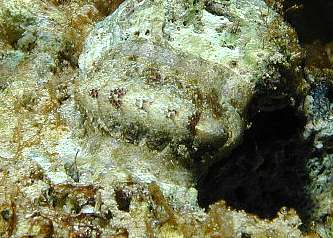
Chiton (50G2)
Mollusc comes from a Latin word that means "soft" and there are characterised by having soft bodies. Some have external shells, such as snails and clams, some have internal shells, such as cuttlefish and squid and many have no shell at all, such as slugs and octopus. There are number of classes of molluscs, including Polyplacophora, Gastropoda, Bivalvia and Cephalopoda
Chiton (50G2)
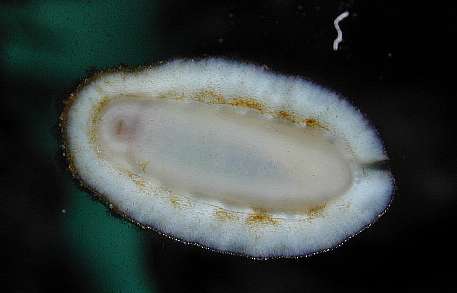
Chiton (8mm) on aquarium glass (60G)
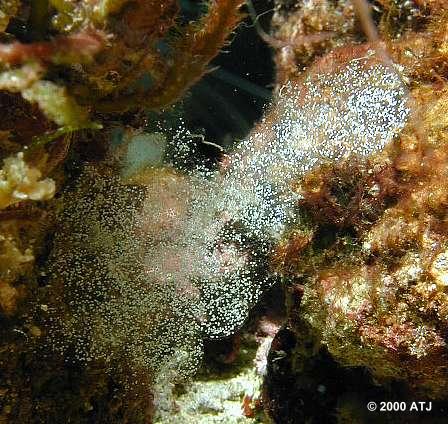
Eggs. These look like gastropod eggs and were laid in the path of a powerhead. The broke up and dispersed in a couple of days. (60G)
The prosobranchs are gastropods where the mantle cavity and contained organs are at the front of the organism. Most have an operculum and spirally coiled shell. The head includes eyes that are located on tentacles.
This group includes limpets, abalones and top shells (Trochidae)
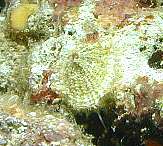
Limpet. (15mm) (60G)
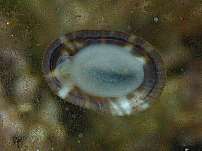
Limpet. (4mm) (60G)
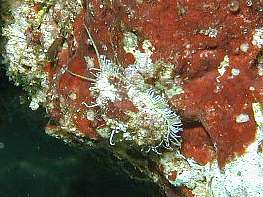
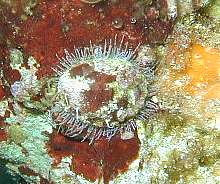
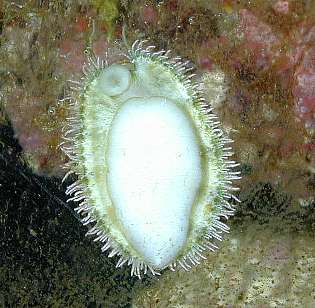
Abalone Haliotis sp. (20mm) (60G)
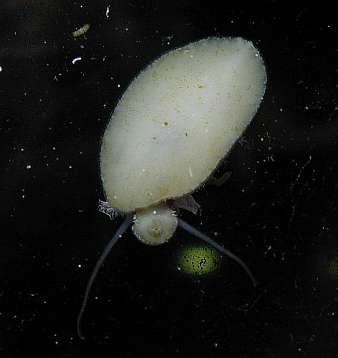
Abalone Haliotis sp. (10mm) (60G)
This order includes the most commonly seen snails and is the largest order of gastropods.
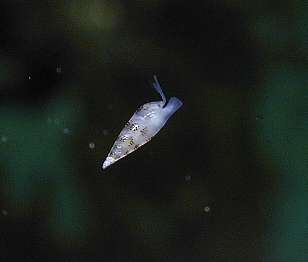
Small snail (4mm) on glass (60G)
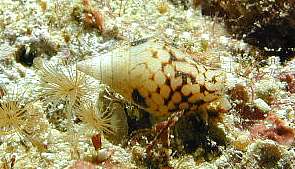
Small snail (6mm) on rock (60G)
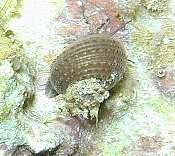
Small snail (5mm) on rock (60G)
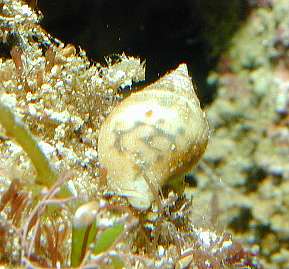
Small snail (7mm) on rock (60G)
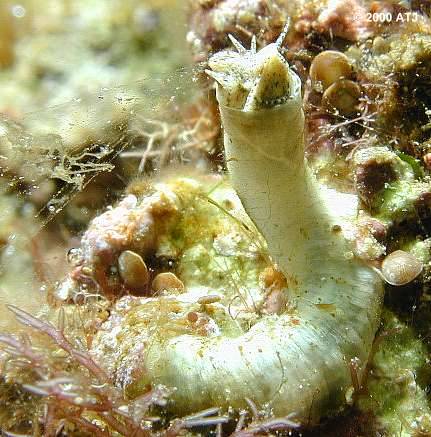
Vermitid snail (10mm) (60G)
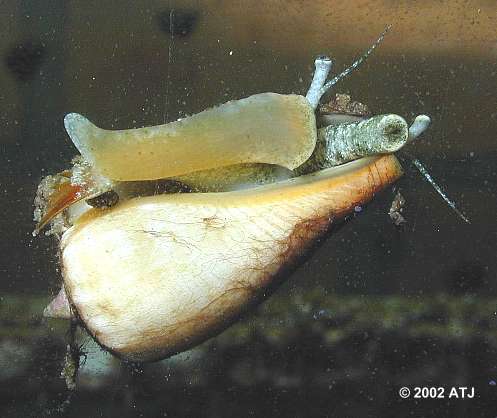 Counch, Strombus sp. on the glass of the aquarium. This individual came as a hitchhiker on live sand collected from Sydney Harbour. (Frag)
These are the sea slugs, sea hares and nudibranchs. Dr Bill Rudman's The Sea Slug Forum is an excellent resource for identifying sea slugs, sea hares and nudibranchs. If you are unable to identify the "sea slug" you have, the forum allows you to send photographs in and Bill will attempt an identification.
These are mostly herbivores living on algae. The name Sacoglossans comes from the sac used to catch their discarded worn teeth.
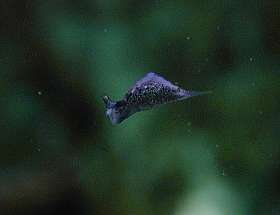
Sea hare, possibly Elysia sp.(6mm) (60G)
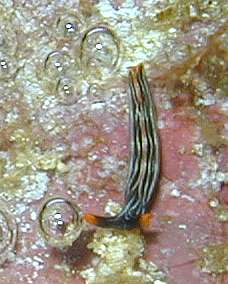
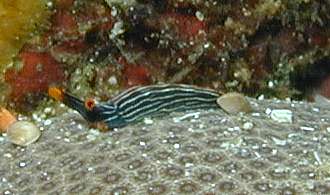
Sea Slug Thuridilla gracilis (6mm) (60G)
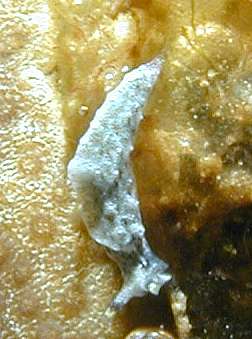
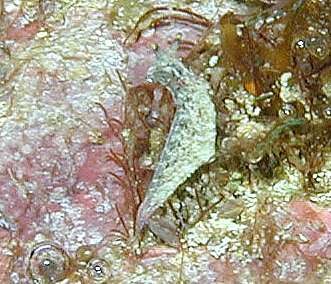
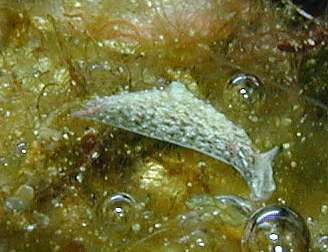
Sea Hare, possibly Aplysia sp. (6mm) (60G)
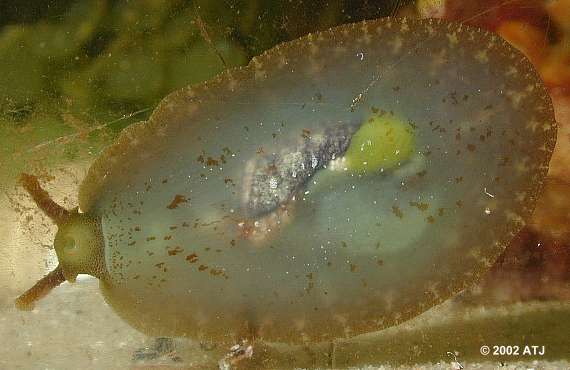
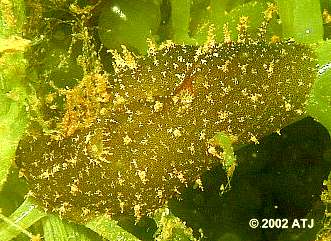
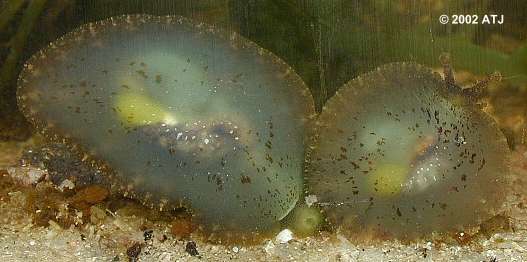
Sea Hares, probably Phyllaplysia sp.. These must have been hitchhikers from live sand collected in Sydney Harbour. (Frag)
Nudibranchs are so named for their naked gills.
Aeolid nudibranchs lack distinct gills and utilise cerata for respiration (and defence).
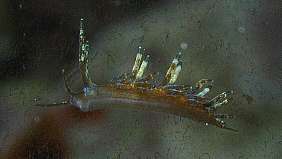
Nudibranch possibly Flabellina sp. (7mm) (60G)
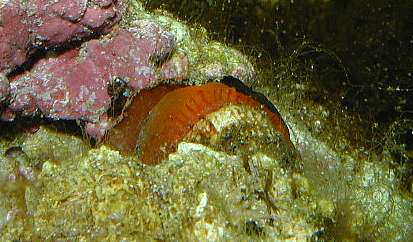
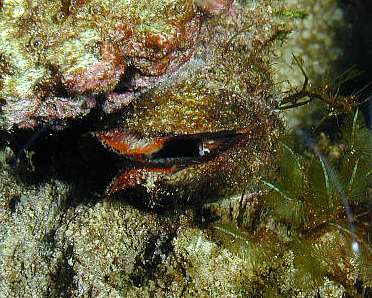
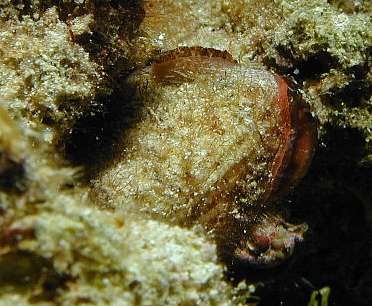
Boring bivalves (50G1)
Last updated: 4 June 2006